Author: Mike

  • Understanding the 5 Most Common Types of Warts

    Understanding the 5 Most Common Types of Warts

    [vc_row type=”in_container” full_screen_row_position=”middle” column_margin=”default” column_direction=”default” column_direction_tablet=”default” column_direction_phone=”default” scene_position=”center” text_color=”dark” text_align=”left” row_border_radius=”none” row_border_radius_applies=”bg” overflow=”visible” overlay_strength=”0.3″ gradient_direction=”left_to_right” shape_divider_position=”bottom” bg_image_animation=”none”][vc_column column_padding=”no-extra-padding” column_padding_tablet=”inherit” column_padding_phone=”inherit” column_padding_position=”all” column_element_direction_desktop=”default” column_element_spacing=”default” desktop_text_alignment=”default” tablet_text_alignment=”default” phone_text_alignment=”default” background_color_opacity=”1″ background_hover_color_opacity=”1″ column_backdrop_filter=”none” column_shadow=”none” column_border_radius=”none” column_link_target=”_self” column_position=”default” gradient_direction=”left_to_right” overlay_strength=”0.3″ width=”1/1″ tablet_width_inherit=”default” animation_type=”default” bg_image_animation=”none” border_type=”simple” column_border_width=”none” column_border_style=”solid”][vc_column_text]Warts are a common skin condition that affects people of all ages. While they are generally harmless, warts can be unsightly and cause discomfort, pain or embarrassment. Take a moment to familiarize yourself with the five most common types of warts, their causes, symptoms, and available treatment options. By understanding these different types of warts, you can better manage and prevent their occurrence.

    1. Common Warts (Verruca vulgaris):
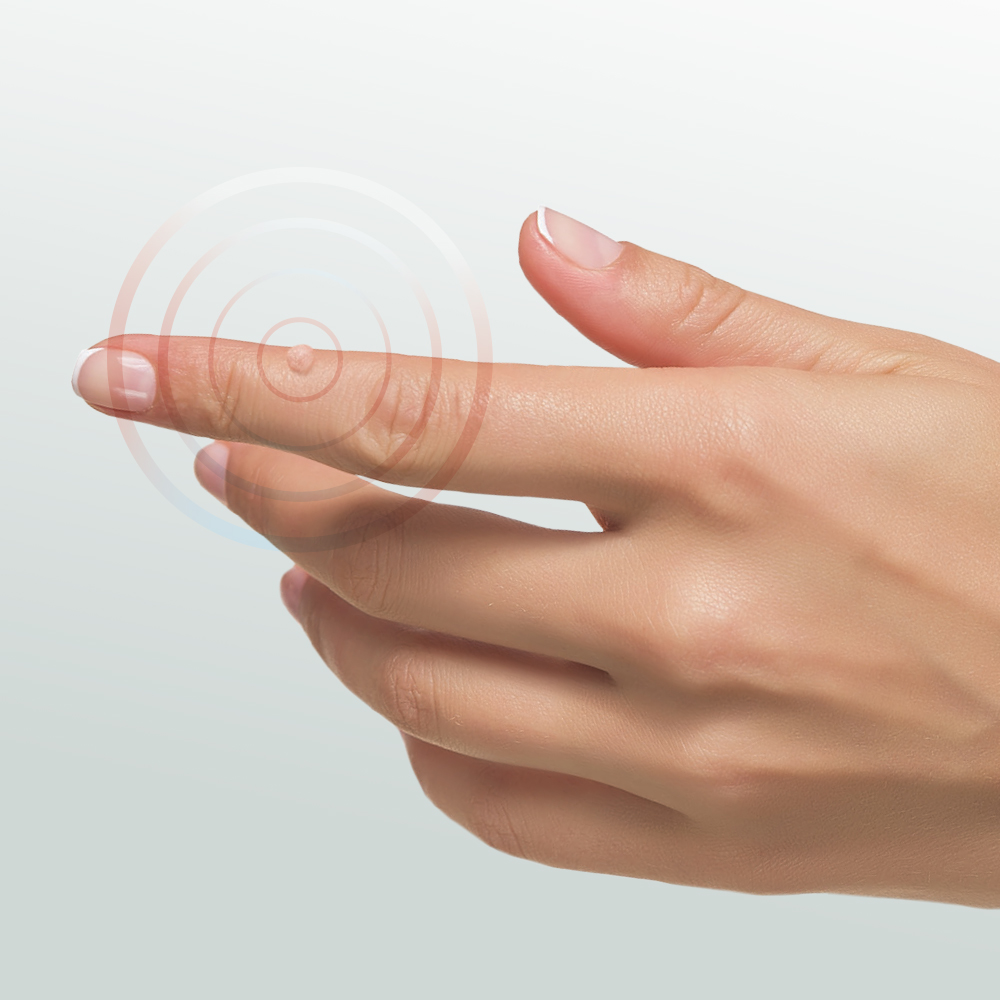
    Common warts are the most prevalent type and although they can appear anywhere on the body, common warts typically appear on the hands and fingers and the toes. They have a rough texture with a cauliflower-like appearance. These warts are caused by the human papillomavirus (HPV) and are spread from human to human, often through direct contact or by touching surfaces that an infected person has touched.

    Symptoms:
    – Raised bumps with a rough surface
    – Grayish-brown or flesh-colored
    – May have black dots (clotted blood vessels)

    Treatment:
    – Over-the-counter wart removers containing salicylic acid or monochloricacetic acid
    – Cryotherapy (freezing)
    – Electrocautery (burning)
    – Laser therapy

    2. Plantar Warts
    Plantar warts develop on the soles of the feet due to HPV strains that thrive in warm, moist environments like swimming pools or locker rooms. These warts can be painful when walking or standing as they grow inward instead of outward.

    Symptoms:
    – Small, grainy growths with a hard center
    – Discomfort or pain when pressure is applied
    – Black dots (blood vessels) within the wart

    Treatment:
    – Over-the-counter salicylic acid patches or gels
    – Cryotherapy
    – Laser therapy for more stubborn cases
    – Surgical removal in severe cases

    3. Flat Warts:
    Flat warts are small, smooth, raised bumps on your skin that often occur in clusters which tend to appear on the face, back of the hands, legs or armpits and can be spread by scratching and shaving. Flat warts are also referred to as juvenile warts because they are most commonly found in children and young adults. These warts, which are usually painless, are highly contagious and can be transmitted through direct contact.

    Symptoms:
    – Smooth, flat-topped bumps
    – Flesh-colored or slightly pinkish
    – Often occur in clusters

    Treatment:
    – Topical treatment such as creams, gels or ointments which contain salicylic acid or retinoids
    – Cryotherapy
    – Laser therapy for widespread or resistant cases

    4. Filiform Warts:
    Filiform warts, also known as facial warts, are long and narrow growths that often appear on the face, particularly around the mouth, nose, or eyes. They have a distinctive appearance resembling a thread or finger-like projection and are generally painless. These warts can be easily irritated by shaving or rubbing. Filiform warts on the fingers and hands are easier to treat than those on the face.

    Symptoms:
    – Long, slender projections
    – Flesh-colored or brownish
    – May have a rough surface

    Treatment:
    – Cryotherapy
    – Electrosurgery
    – Surgical removal for persistent cases

    5. Genital Warts (Condyloma acuminatum):
    Genital warts are sexually transmitted and affect the genital area and anus. They are caused by specific strains of HPV and should be evaluated by a healthcare professional promptly. It is important to note that these types of warts require specialized treatment and management.

    Symptoms:
    – Soft, fleshy growths in the genital area or anus
    – Pinkish or grayish coloration
    – May occur in clusters

    Treatment:
    – Topical medications prescribed by a healthcare professional
    – Cryotherapy
    – Surgical removal for larger or resistant warts

    Tips for preventing warts
    1. Practice good hygiene, including regular handwashing
    2. Avoid touching warts on yourself or others
    3. Use protective footwear in public areas like pools and locker rooms
    4. Maintain healthy skin to prevent breaks where HPV can enter
    5. Discuss vaccination options with your healthcare provider to protect against certain HPV strains

    Conclusion
    Understanding the different types of warts is crucial for effective prevention and treatment. Although warts are generally harmless, they can still be bothersome and impact your self-confidence. However, by taking preventive measures and seeking appropriate treatment when necessary, you can manage warts effectively and maintain healthy skin. Remember that consulting with a healthcare professional is essential for an accurate diagnosis and appropriate guidance tailored to your specific situation.[/vc_column_text][/vc_column][/vc_row]
  • How to Avoid Verrucas This Summer

    How to Avoid Verrucas This Summer

    [vc_row type=”in_container” full_screen_row_position=”middle” column_margin=”default” column_direction=”default” column_direction_tablet=”default” column_direction_phone=”default” scene_position=”center” text_color=”dark” text_align=”left” row_border_radius=”none” row_border_radius_applies=”bg” overflow=”visible” overlay_strength=”0.3″ gradient_direction=”left_to_right” shape_divider_position=”bottom” bg_image_animation=”none”][vc_column column_padding=”no-extra-padding” column_padding_tablet=”inherit” column_padding_phone=”inherit” column_padding_position=”all” column_element_direction_desktop=”default” column_element_spacing=”default” desktop_text_alignment=”default” tablet_text_alignment=”default” phone_text_alignment=”default” background_color_opacity=”1″ background_hover_color_opacity=”1″ column_backdrop_filter=”none” column_shadow=”none” column_border_radius=”none” column_link_target=”_self” column_position=”default” gradient_direction=”left_to_right” overlay_strength=”0.3″ width=”1/1″ tablet_width_inherit=”default” animation_type=”default” bg_image_animation=”none” border_type=”simple” column_border_width=”none” column_border_style=”solid”][vc_column_text]

    Have you come across an unexpected growth on the sole of your foot lately? It could be a verruca! These grainy, typically small warts tend to show up on the balls and heels of your feet. If you’re experiencing discomfort or pain when applying pressure while walking or standing, it’s time to consider the possibility of a verruca.

    These warts are quite common, especially during the summer, as the infectious condition thrives in warm and humid environments, often acquired through barefoot walking in public spaces, particularly around pools. The reassuring news, however, is that they can be easily prevented!

    What is a verruca?
    Warts are skin growths resulting from a viral infection caused by the Human Papilloma Virus (HPV). Among the numerous HPV strains, only a few lead to the development of warts on the feet. The remaining strains are more likely to cause warts on other parts of the body, such as the hands, face, or genitals. A wart located on the sole of the foot is officially called a verruca wart or a plantar wart.

    Tips for keeping your feet healthy and wart free
    With the arrival of summer, the chance of coming into contact with viruses that cause foot warts in warm and moist conditions increases. You can reduce the risk of becoming infected with HPV and developing verrucas by adopting a few simple precautions.

    • Avoid walking barefoot in public areas such as gyms or public swimming pools by wearing flip-flops or sandals. Don’t touch, scratch, or pick your verruca, as doing so increases the risk of spreading it.
    • If you must touch your verruca, be sure to wash your hands afterwards.
    • Make sure your feet remain dry. Wear closed shoes with socks to prevent the damp environment around your feet.
    • Change your socks and shoes often.
    • Avoid sharing towels, socks or shoes with others.
    • Do not share personal items like towels, razors, deodorants, and cosmetics, as they can transmit HPV viruses.
    • Staying in good health enhances your immune system, which is the best defense against verrucas.

    In conclusion, preventing verrucas involves practicing good hygiene, choosing suitable footwear, refraining from walking barefoot, and prioritizing overall health. By following these tips, you can minimize the risk of developing verrucas and keep your feet healthy and wart-free this summer!

    [/vc_column_text][/vc_column][/vc_row]

  • Verrucas Unveiled: Causes, Treatment, and Tips for Prevention

    Verrucas Unveiled: Causes, Treatment, and Tips for Prevention

    [vc_row type=”in_container” full_screen_row_position=”middle” column_margin=”default” column_direction=”default” column_direction_tablet=”default” column_direction_phone=”default” scene_position=”center” text_color=”dark” text_align=”left” row_border_radius=”none” row_border_radius_applies=”bg” overflow=”visible” overlay_strength=”0.3″ gradient_direction=”left_to_right” shape_divider_position=”bottom” bg_image_animation=”none”][vc_column column_padding=”no-extra-padding” column_padding_tablet=”inherit” column_padding_phone=”inherit” column_padding_position=”all” column_element_direction_desktop=”default” column_element_spacing=”default” desktop_text_alignment=”default” tablet_text_alignment=”default” phone_text_alignment=”default” background_color_opacity=”1″ background_hover_color_opacity=”1″ column_backdrop_filter=”none” column_shadow=”none” column_border_radius=”none” column_link_target=”_self” column_position=”default” gradient_direction=”left_to_right” overlay_strength=”0.3″ width=”1/1″ tablet_width_inherit=”default” animation_type=”default” bg_image_animation=”none” border_type=”simple” column_border_width=”none” column_border_style=”solid”][vc_column_text]

    Verrucas, also known as plantar warts, are a common condition that can affect anyone, from children to adults. These small, often painful growths on the soles of the feet are caused by the human papillomavirus (HPV). In this article we will examine the factors behind verrucas, explore available treatment options, and provide practical tips for preventing and managing these pesky foot growths.

    Understanding Verrucas
    Verrucas result from specific strains of the human papillomavirus (HPV) that flourish in environments characterized by warmth and moisture. They commonly appear on the weight-bearing areas of the foot, such as the soles and heels. Unlike warts on other parts of the body, verrucas can be flattened by the pressure exerted during walking, causing them to grow inward and become surrounded by a tough, thickened layer of skin.

    Causes of Verrucas
    Plantar warts are caused by the human papillomavirus (HPV): the primary cause of verrucas is the human papillomavirus, which can enter the skin through tiny cuts, abrasions, or weakened skin.

    Direct contact with contaminated surfaces: walking barefoot in damp, communal areas like swimming pools, locker rooms, or gym showers increases the risk of coming into contact with the virus. Weakened immune system: people with diabetes or a weakened immune system may be more susceptible to developing verrucas. Age and gender: these aspects also play a role, as verrucas are typically more prevalent in children and young adults, with a slightly higher incidence among females than males.

    Treatment Options
    Although verrucas may spontaneously resolve without any intervention, this process, however, may extend over several months or even years. If verrucas persist, cause discomfort, or show signs of spreading, it is recommended to consider treatment for their removal.

    There are a number of treatment options available for verrucas:

    Acid Treatment
    The application of acid treatments, such as salicylic acid, to a verruca aims to break down and eliminate the thickened skin that forms the lesion. Verrucas are viral formations composed of keratin protein, and as a keratolytic agent, salicylic acid is able to break down the protein that makes up the verruca. The acid softens the skin, inducing mild inflammation, which, in turn, stimulates the body’s immune response to combat the virus.

    Cryotherapy
    This involves freezing of warts by applying liquid nitrogen, or dimythyl ether, leading to the formation of a blister under and around the wart. After about a week the wart will fall off. Multiple sessions may be required for optimal results.

    Prescription Medications
    In some cases, a healthcare professional may prescribe stronger medications or topical treatments such as formaldehyde.

    Minor surgical procedures
    If persistent verrucas fail to respond to other methods, surgical removal, such as laser treatment, may become necessary.

    While verrucas are a common foot ailment, effective management is possible with proper care. By understanding the causes, exploring available treatments, and adopting preventive measures, you can proactively take charge of your foot health and minimize the impact of verrucas on your daily life.

    [/vc_column_text][/vc_column][/vc_row]

This site is registered on wpml.org as a development site. Switch to a production site key to remove this banner.
This site is registered on Toolset.com as a development site.