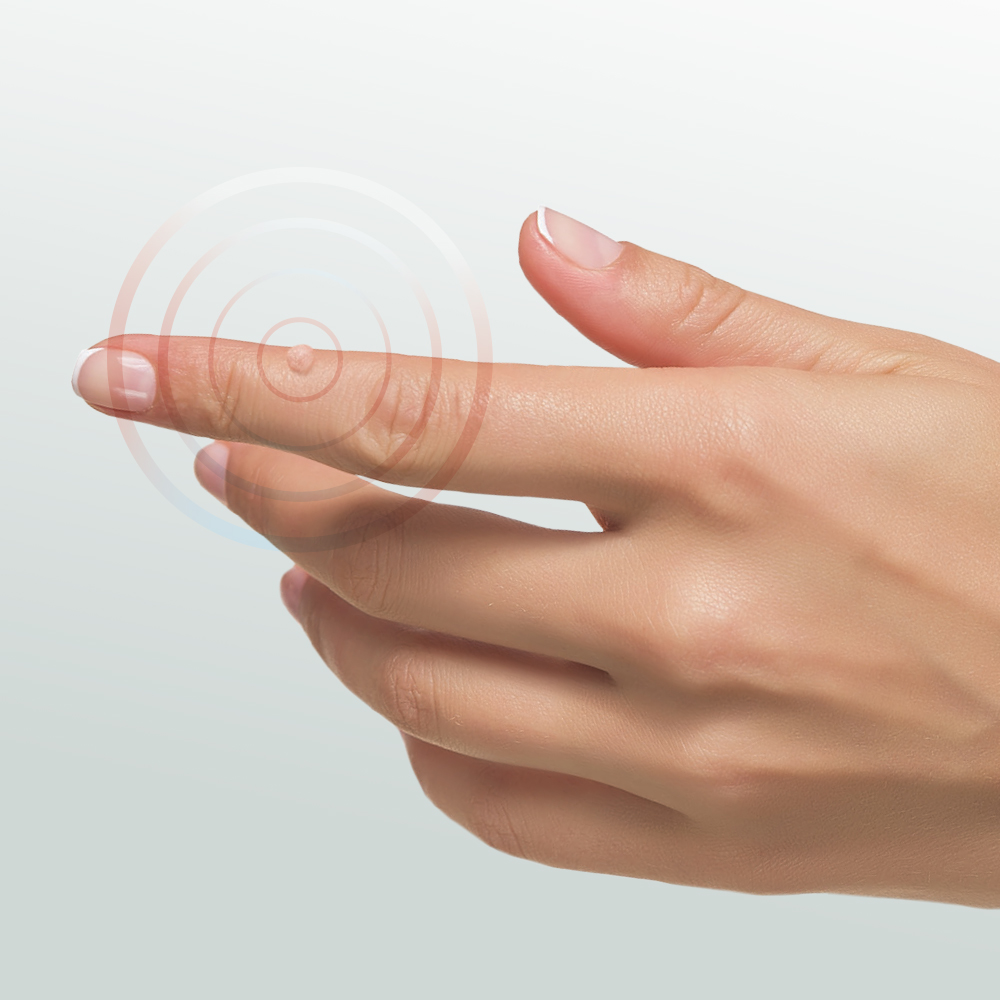
[vc_row type=”in_container” full_screen_row_position=”middle” column_margin=”default” column_direction=”default” column_direction_tablet=”default” column_direction_phone=”default” scene_position=”center” text_color=”dark” text_align=”left” row_border_radius=”none” row_border_radius_applies=”bg” overflow=”visible” overlay_strength=”0.3″ gradient_direction=”left_to_right” shape_divider_position=”bottom” bg_image_animation=”none”][vc_column column_padding=”no-extra-padding” column_padding_tablet=”inherit” column_padding_phone=”inherit” column_padding_position=”all” column_element_direction_desktop=”default” column_element_spacing=”default” desktop_text_alignment=”default” tablet_text_alignment=”default” phone_text_alignment=”default” background_color_opacity=”1″ background_hover_color_opacity=”1″ column_backdrop_filter=”none” column_shadow=”none” column_border_radius=”none” column_link_target=”_self” column_position=”default” gradient_direction=”left_to_right” overlay_strength=”0.3″ width=”1/1″ tablet_width_inherit=”default” animation_type=”default” bg_image_animation=”none” border_type=”simple” column_border_width=”none” column_border_style=”solid”][vc_column_text]Warts are a common skin condition that affects people of all ages. While they are generally harmless, warts can be unsightly and cause discomfort, pain or embarrassment. Take a moment to familiarize yourself with the five most common types of warts, their causes, symptoms, and available treatment options. By understanding these different types of warts, you can better manage and prevent their occurrence.
1. Common Warts (Verruca vulgaris):
Common warts are the most prevalent type and although they can appear anywhere on the body, common warts typically appear on the hands and fingers and the toes. They have a rough texture with a cauliflower-like appearance. These warts are caused by the human papillomavirus (HPV) and are spread from human to human, often through direct contact or by touching surfaces that an infected person has touched.
Symptoms:
– Raised bumps with a rough surface
– Grayish-brown or flesh-colored
– May have black dots (clotted blood vessels)
Treatment:
– Over-the-counter wart removers containing salicylic acid or monochloricacetic acid
– Cryotherapy (freezing)
– Electrocautery (burning)
– Laser therapy
2. Plantar Warts
Plantar warts develop on the soles of the feet due to HPV strains that thrive in warm, moist environments like swimming pools or locker rooms. These warts can be painful when walking or standing as they grow inward instead of outward.
Symptoms:
– Small, grainy growths with a hard center
– Discomfort or pain when pressure is applied
– Black dots (blood vessels) within the wart
Treatment:
– Over-the-counter salicylic acid patches or gels
– Cryotherapy
– Laser therapy for more stubborn cases
– Surgical removal in severe cases
3. Flat Warts:
Flat warts are small, smooth, raised bumps on your skin that often occur in clusters which tend to appear on the face, back of the hands, legs or armpits and can be spread by scratching and shaving. Flat warts are also referred to as juvenile warts because they are most commonly found in children and young adults. These warts, which are usually painless, are highly contagious and can be transmitted through direct contact.
Symptoms:
– Smooth, flat-topped bumps
– Flesh-colored or slightly pinkish
– Often occur in clusters
Treatment:
– Topical treatment such as creams, gels or ointments which contain salicylic acid or retinoids
– Cryotherapy
– Laser therapy for widespread or resistant cases
4. Filiform Warts:
Filiform warts, also known as facial warts, are long and narrow growths that often appear on the face, particularly around the mouth, nose, or eyes. They have a distinctive appearance resembling a thread or finger-like projection and are generally painless. These warts can be easily irritated by shaving or rubbing. Filiform warts on the fingers and hands are easier to treat than those on the face.
Symptoms:
– Long, slender projections
– Flesh-colored or brownish
– May have a rough surface
Treatment:
– Cryotherapy
– Electrosurgery
– Surgical removal for persistent cases
5. Genital Warts (Condyloma acuminatum):
Genital warts are sexually transmitted and affect the genital area and anus. They are caused by specific strains of HPV and should be evaluated by a healthcare professional promptly. It is important to note that these types of warts require specialized treatment and management.
Symptoms:
– Soft, fleshy growths in the genital area or anus
– Pinkish or grayish coloration
– May occur in clusters
Treatment:
– Topical medications prescribed by a healthcare professional
– Cryotherapy
– Surgical removal for larger or resistant warts
Tips for preventing warts
1. Practice good hygiene, including regular handwashing
2. Avoid touching warts on yourself or others
3. Use protective footwear in public areas like pools and locker rooms
4. Maintain healthy skin to prevent breaks where HPV can enter
5. Discuss vaccination options with your healthcare provider to protect against certain HPV strains
Conclusion
Understanding the different types of warts is crucial for effective prevention and treatment. Although warts are generally harmless, they can still be bothersome and impact your self-confidence. However, by taking preventive measures and seeking appropriate treatment when necessary, you can manage warts effectively and maintain healthy skin. Remember that consulting with a healthcare professional is essential for an accurate diagnosis and appropriate guidance tailored to your specific situation.[/vc_column_text][/vc_column][/vc_row]